
Slab Leak Repair in Rancho Palos Verdes, CA
Water under your foundation won't fix itself. We pinpoint hidden leaks with electronic detection — then fix them with spot repair, rerouting, or repiping. One call, honest options, work backed by local pros.
- 24/7 response
- Non-invasive detection
- RPV & South Bay
- Upfront options
RPV SlabSure Leak Repair is a referral service that connects you with independent local plumbing contractors. How it works.
Yes — that wet spot, that water bill, that sound — it's probably a slab leak. Here's what to do.
A slab leak is a leak in a water pipe buried beneath your home's concrete foundation. Across Rancho Palos Verdes, most homes sit on slab-on-grade foundations with copper supply lines embedded directly in the concrete — a post-war building pattern that makes the Peninsula especially prone to these hidden leaks. When copper meets concrete chemistry and soil moisture for decades, pinholes form, and water starts spreading silently under your floor.
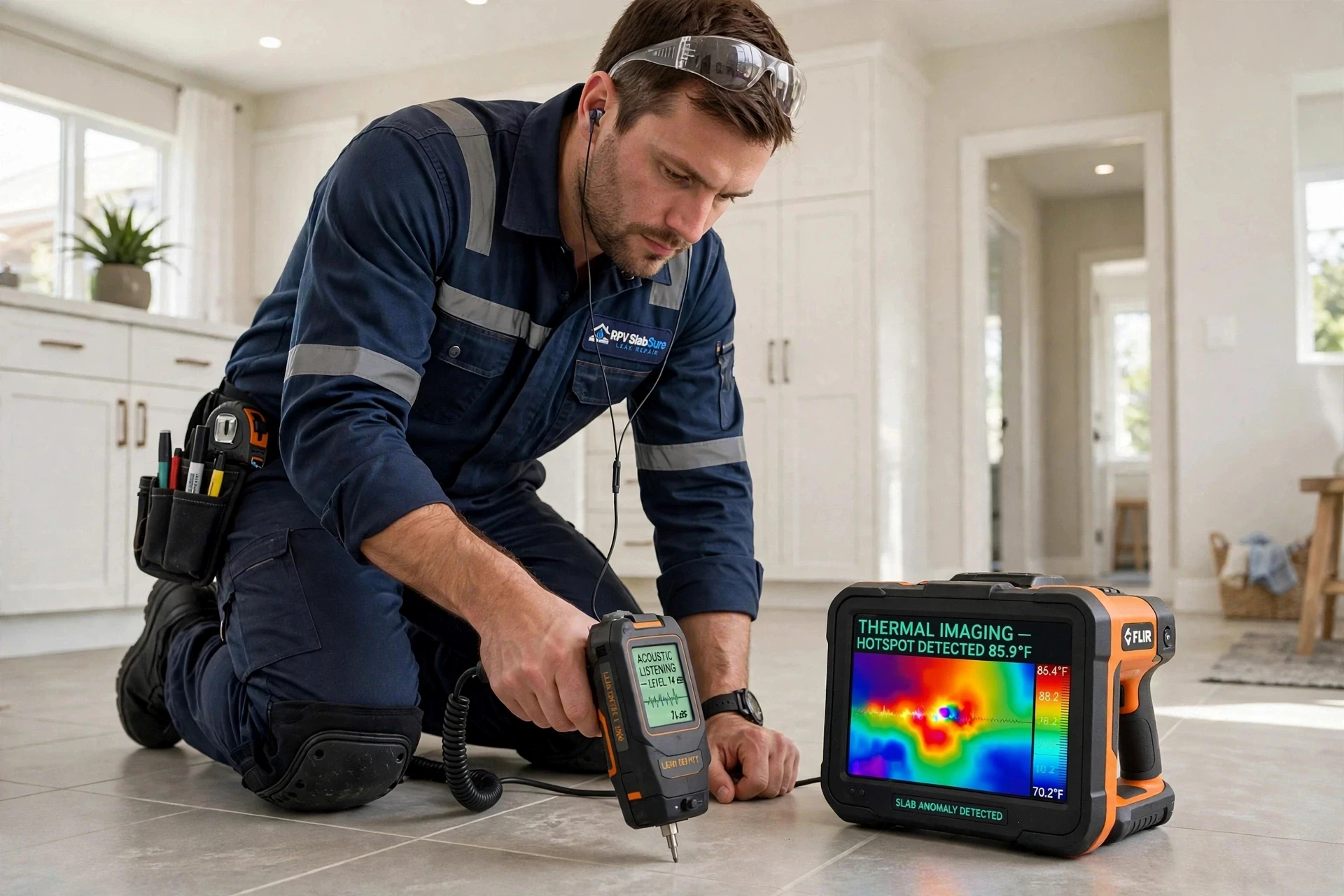
The right move is simple: don't wait, and don't start jackhammering. A professional slab leak detection visit uses acoustic listening and thermal imaging to pinpoint the leak within inches — no demolition required. Once located, slab leak repair is usually a same-week fix: a targeted spot repair for an isolated leak, or a reroute or repipe when the pipe is failing in multiple places. If you hear water running with every tap off, shut your main valve and call now.
Every slab leak service, one call
From the first suspicious water bill to the final concrete patch — these are the services our local pros deliver across Rancho Palos Verdes and the South Bay.
Electronic Slab Leak Detection
Acoustic listening devices, thermal imaging cameras, and pressure isolation testing locate your leak within inches — through concrete, tile, and flooring — before a single hole is made. The diagnostic that makes every repair that follows cheaper and more precise.
How detection worksSpot Repair Through the Slab
For a single isolated leak in otherwise sound pipe: open the slab directly above the pinpointed leak, cut out the damaged section, install new pipe, and patch the concrete. The fastest, least invasive fix when the rest of your plumbing is healthy.
Repair methodsPipe Rerouting
Abandon the failed under-slab line and run new PEX or copper through walls and attic. The California-standard long-term fix that ends repeat slab openings.
Learn moreWhole-House Repiping
Replace the entire aging system with new PEX or copper — the permanent answer for homes with recurring leaks, usually done in a day or two.
Repiping guideEpoxy Pipe Lining
Trenchless cured-in-place coating seals pinholes and corrosion from inside the pipe — no slab demolition at all for the right candidates.
Is lining right for you24/7 Emergency Response
Active leak spreading across your floor? Lines answered around the clock with emergency dispatch across RPV and the South Bay.
Emergency helpDo you have a slab leak? Check the signs
Slab leaks hide — but they always leave clues. If two or more of these sound familiar, get a detection visit before the damage spreads.

Water bill jumped for no reason
A sudden, unexplained spike in usage is the most common first clue — water is escaping somewhere you can't see.
You hear running water
A hiss or flow sound with every tap off means pressurized water is moving where it shouldn't be.
Warm spots on the floor
A hot-water line leak warms the concrete above it — bare feet find these before eyes do.
Damp carpet or musty odor
Moisture wicking up through flooring, or a persistent mildew smell near the slab, signals water below.
Water pressure dropped
A leak bleeds pressure from the whole system — showers weaken and fixtures slow down.
Cracks in floors or walls
Water eroding soil under the slab can shift it, cracking tile, flooring, or baseboards above.
Slab leaks in Rancho Palos Verdes, explained
Why they happen here, how professionals find them, and what happens after the diagnosis — in plain language.
Why slab leaks happen here
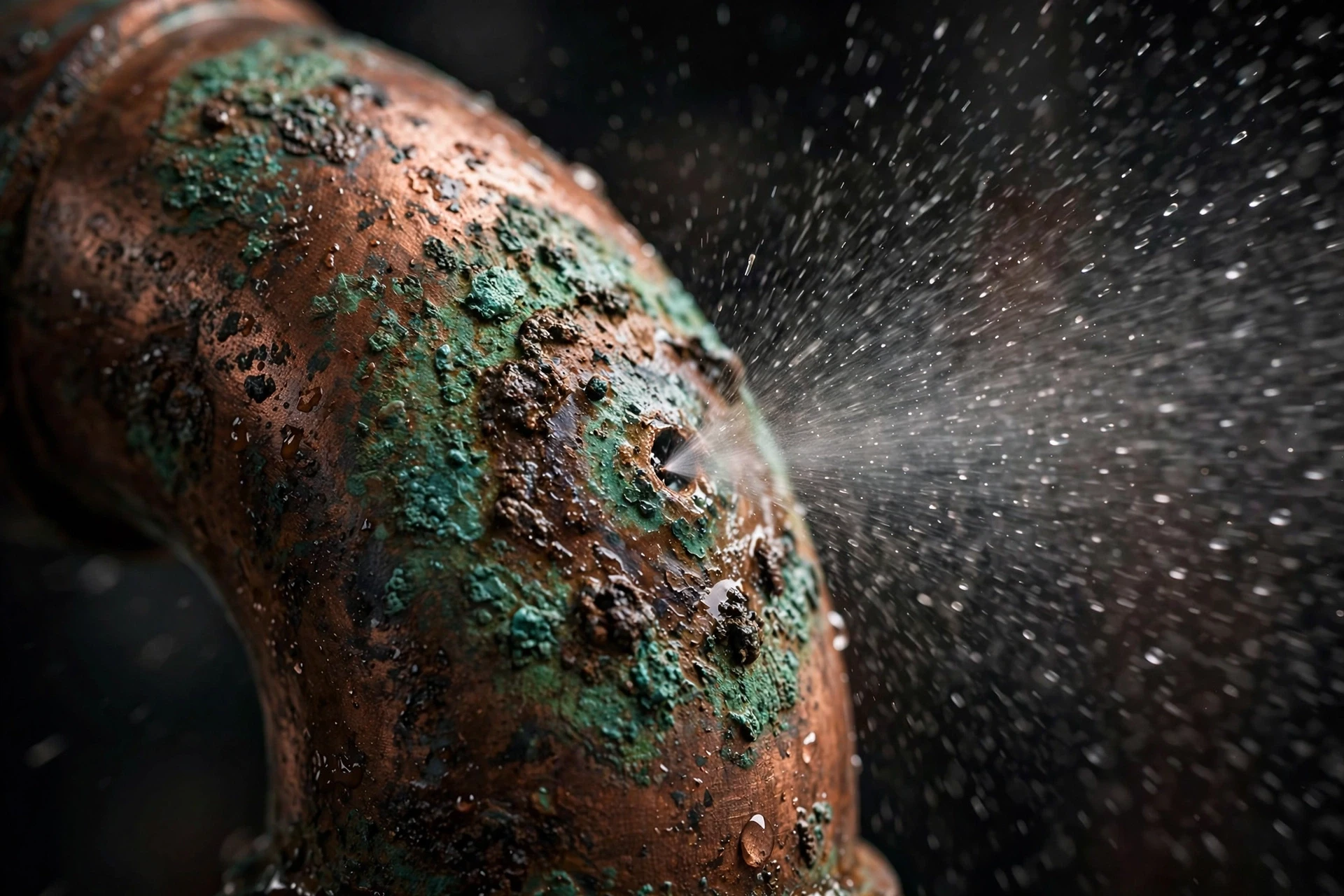
Most Rancho Palos Verdes homes were built on slab-on-grade foundations — concrete poured directly on graded soil, with copper water lines embedded in or beneath it. That was standard post-war construction across the Peninsula, and it worked fine for decades. The problem is time plus chemistry: concrete is alkaline, soil holds moisture (especially near the coast), and copper slowly corrodes from the outside in. In some areas, minerals in the water attack it from the inside too. The result is pinhole leaks — tiny at first, invisible, and perfectly positioned to soak the ground under your home.
Hillside lots and coastal bluffs add another stressor: subtle soil movement flexes rigid copper lines at joints and bends. A line that survived forty quiet years can start weeping after one wet winter shifts the ground beneath it. This is why slab leaks cluster in older Peninsula neighborhoods rather than striking randomly — the housing stock shares the same era, materials, and soil.
How pros actually find the leak
Modern slab leak detection is a diagnostic discipline, not demolition. A technician starts with pressure isolation testing — pressurizing sections of pipe to learn whether the failure is on the hot side, the cold side, or a specific branch. Then acoustic listening equipment amplifies the exact frequency of pressurized water escaping, often narrowing the location to within inches. Thermal imaging cameras confirm it by revealing the warm plume of a hot-water leak spreading through the concrete.
For stubborn or silent leaks, technicians may introduce a harmless tracer gas into the line and sniff for it at the surface, or run a small camera through drain lines when the leak might be on the waste side rather than the supply side. The whole visit typically takes one to three hours, and the deliverable is a marked spot on your floor — not a torn-up house. Only then does anyone talk about opening concrete.
What happens after detection
With the leak located, you get options — and the right one depends on your pipe's overall condition. A spot repair opens the slab at the marked point, replaces the damaged section, and patches the concrete: ideal for one isolated leak in otherwise healthy pipe. Tunneling digs in from outside to reach the pipe without disturbing interior flooring — useful when finishes are expensive to replace.
When leaks keep recurring, the honest fix is to stop using the under-slab pipe altogether. Rerouting abandons the failed line and runs new PEX or copper through walls and the attic; whole-house repiping replaces the entire system, usually in a day or two. Both end the cycle of repeat slab openings. Epoxy lining offers a trenchless middle path, sealing pinholes from inside the pipe for the right candidates. Our repair page walks through each method, and the cost guide explains what drives the price of each option.
A leak left running doesn't just waste water — it erodes soil under the slab, feeds mold inside walls and flooring, and turns a simple spot repair into structural and restoration work. Every week of delay raises the eventual scope.
From first call to fixed — in four steps

-
01
Call & dispatch
Lines answered around the clock. Describe the symptoms; emergency calls get priority dispatch across RPV and the South Bay.
-
02
Electronic detection
A technician pinpoints the leak with acoustic, thermal, and pressure testing — no demolition, marked spot on your floor.
-
03
Upfront options
You get the repair choices — spot repair, reroute, lining, or repipe — with straight talk about which fits your situation.
-
04
Repair & patch
The fix is completed, concrete is patched back, and the area is left clean. Most spot repairs finish the same visit.
What a slab leak costs you while you wait
A slab leak is one of the few plumbing problems that gets more expensive almost by the day. Water under pressure doesn't stay put: it migrates through soil, wicks up into flooring and drywall, and keeps your meter spinning. Homeowners who wait often discover the repair itself was the cheap part — the real bill came from what the water touched while they decided.
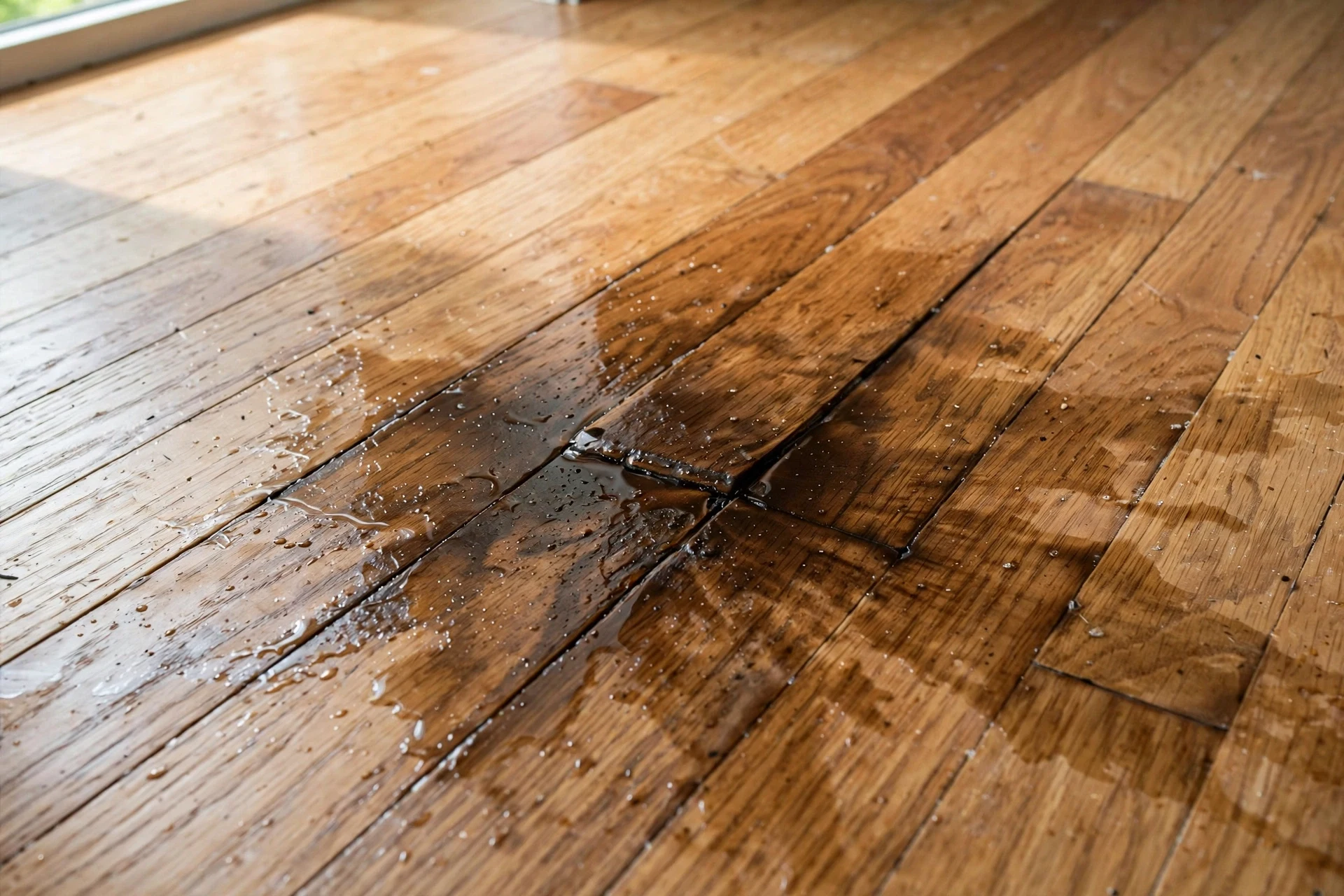
The progression is predictable. First the water bill climbs. Then flooring buckles or carpet stays damp. Then musty odors signal mold colonizing the dark, wet cavities under and around the slab. In the worst cases, soil erosion under the foundation leads to slab settlement and cracked finishes — damage far beyond plumbing. Fast detection and a timely repair contain the problem to the pipe; delay hands it to your floors, walls, and foundation too.
The 48-hour rule of thumb
Mold can begin colonizing damp building materials within a day or two of sustained moisture. A leak you can hear or see — running-water sounds, spreading dampness — deserves a same-day call, not a wait-and-see weekend. Shut your main valve, then call (310) 555-0100.
What determines the cost of slab leak repair
Every home is different, which is why honest pros quote after detection — not before. These are the factors that move the number.
| Factor | Why it matters |
|---|---|
| Leak location | A leak under an open garage floor is straightforward; one beneath custom tile or hardwood adds access and restoration work. |
| Repair method | Spot repair, tunneling, rerouting, epoxy lining, and full repiping sit at very different scopes — method choice drives most of the variance. |
| Pipe material & condition | Isolated pinhole in sound copper vs. corroded system-wide pipework: the latter pushes toward reroute or repipe. |
| Number of leaks | One leak is a repair; several leaks usually mean the system is failing and a repipe is the economical answer. |
| Concrete & finish restoration | Rough concrete patching is typically included; restoring tile, wood, or stone finishes is a separate scope. |
| Permits & inspections | Repipes and reroutes in RPV generally require permits and inspection — a legitimate line item, not padding. |
Our full slab leak repair cost guide breaks down each method, what to ask on the quote, and how insurance typically treats these claims.

Serving Rancho Palos Verdes & the South Bay
Slab leaks don't respect city boundaries — neither do we. Local pros dispatched across the Peninsula and nearby South Bay communities.
How RPV SlabSure works
RPV SlabSure Leak Repair is a referral service, not a plumbing crew with our own trucks. When you call, we match your job — location, symptoms, urgency — with an independent local plumbing contractor in our network who handles slab leak work in your area. That contractor performs the detection, quotes the repair, and does the work.
Why this model? Slab leaks are specialized: you want the right specialist, not whoever happens to answer first. We route your call to pros who do this work every week across the Peninsula and South Bay. You always deal directly with the contractor for quotes, scheduling, and guarantees — ask them for license details, insurance, and warranty terms before work begins, as you should with any hire.
What to have ready when you call
- Your symptoms — bill spike, sounds, warm spots, damp areas
- Where your main water shutoff valve is (or isn't)
- Flooring type over the suspected area (tile, wood, carpet)
- Home age, if you know it — it guides the diagnosis
Slab leak FAQs
What is a slab leak?
A slab leak is a water leak in the pipes buried beneath your home's concrete foundation. In Rancho Palos Verdes, most homes sit on slab-on-grade foundations with copper supply lines embedded directly in the concrete, so a pinhole leak there can go unnoticed while water spreads under the floor.
How do I know if I have a slab leak?
Watch for a sudden spike in your water bill, the sound of running water with taps off, warm spots on the floor, damp carpet or musty odors, and low water pressure. Two or more signs together merit a professional detection visit.
How do plumbers find a slab leak without tearing up my floor?
With non-invasive electronic detection: acoustic listening devices pick up escaping water's frequency, thermal imaging reveals temperature anomalies in the concrete, and pressure isolation testing identifies the failing line. The leak is typically pinpointed within inches before any concrete is opened.
What does slab leak repair involve?
It depends on your pipe's condition. An isolated leak usually gets a spot repair — open the slab at the leak, replace the section, patch the concrete. Recurring leaks are better solved by rerouting pipe through walls or the attic, or by repiping the home.
How long does slab leak repair take?
Detection typically takes one to three hours. A spot repair is often completed the same day or the next. Reroutes usually take a day or two, and whole-house repipes in this area are commonly finished in one to two days.
Will my homeowners insurance cover a slab leak?
Many policies cover resulting water damage and sometimes the access and detection work, but coverage for the pipe repair itself varies widely. Check your policy's plumbing and water damage sections — or ask your agent — before work begins. Our cost guide covers what to ask.
Spot repair vs. repiping — which is right for my home?
A spot repair fits one isolated leak in otherwise sound pipe. If your home has older copper lines and you've had more than one leak, repiping or rerouting is usually the smarter long-term fix — the rest of the pipe is often in the same condition as the section that failed.
Can slab leaks be prevented?
You can't change your pipes' age, but you can catch trouble early: watch water bills for unexplained jumps, know where your main shutoff is, keep water pressure in a normal range, and consider a smart leak detector with auto-shutoff for early warning.
Do you serve my neighborhood?
We serve Rancho Palos Verdes — including Portuguese Bend, Eastview, Mira Catalina, Abalone Cove, and Valmonte — plus surrounding South Bay communities: Palos Verdes Estates, Rolling Hills Estates, Rolling Hills, Torrance, Redondo Beach, Lomita, and San Pedro.
How fast can someone come out?
Call lines are answered around the clock with emergency dispatch available 24/7. For active leaks — spreading water, running-water sounds, soaked flooring — call immediately and shut off your main valve while you wait.
Get your slab leak found & fixed today
One call connects you with a local slab leak specialist serving Rancho Palos Verdes and the South Bay — detection, honest options, and repair done right.
(310) 555-0100